Short answer
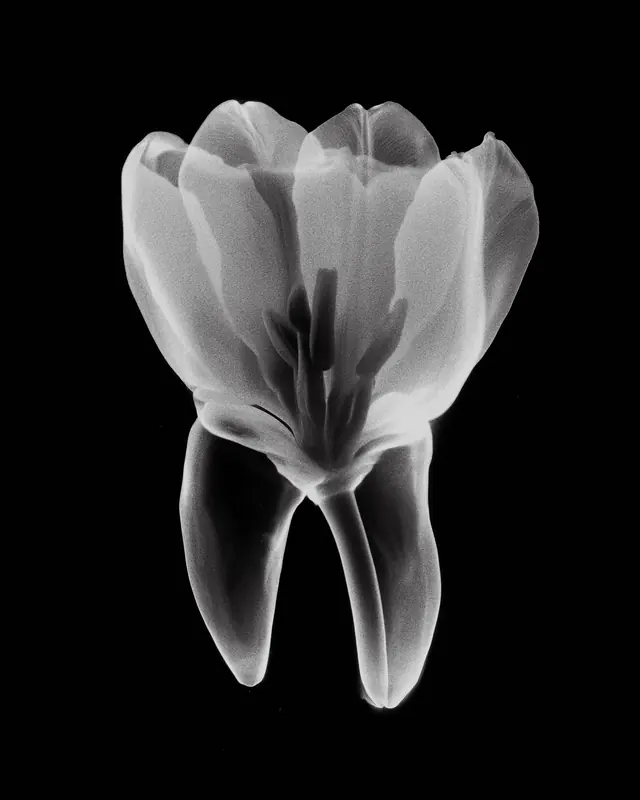
Dental radiology creates images of the teeth and jaws to detect problems that can’t be seen in a normal exam. Confidental Studio has digital and panoramic X-rays and 3D cone beam computed tomography (CBCT). CBCT gives more information but emits more radiation than a conventional X-ray, so it is used only when needed.
What it detects
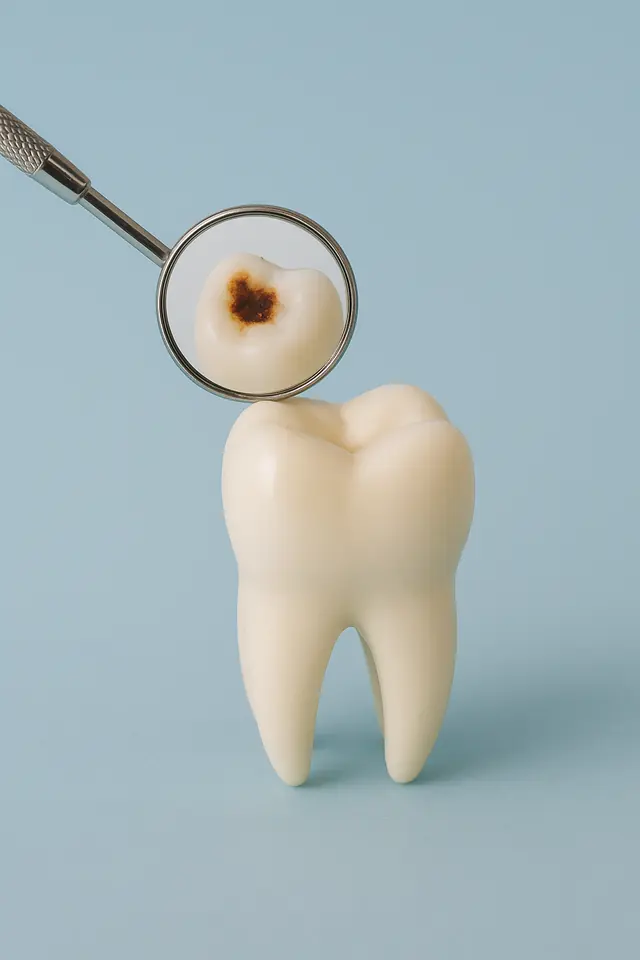
- Cavities before they’re visible.
- Teeth that haven’t come in yet.
- Fractures and jaw problems.
- Position and size of teeth and roots.
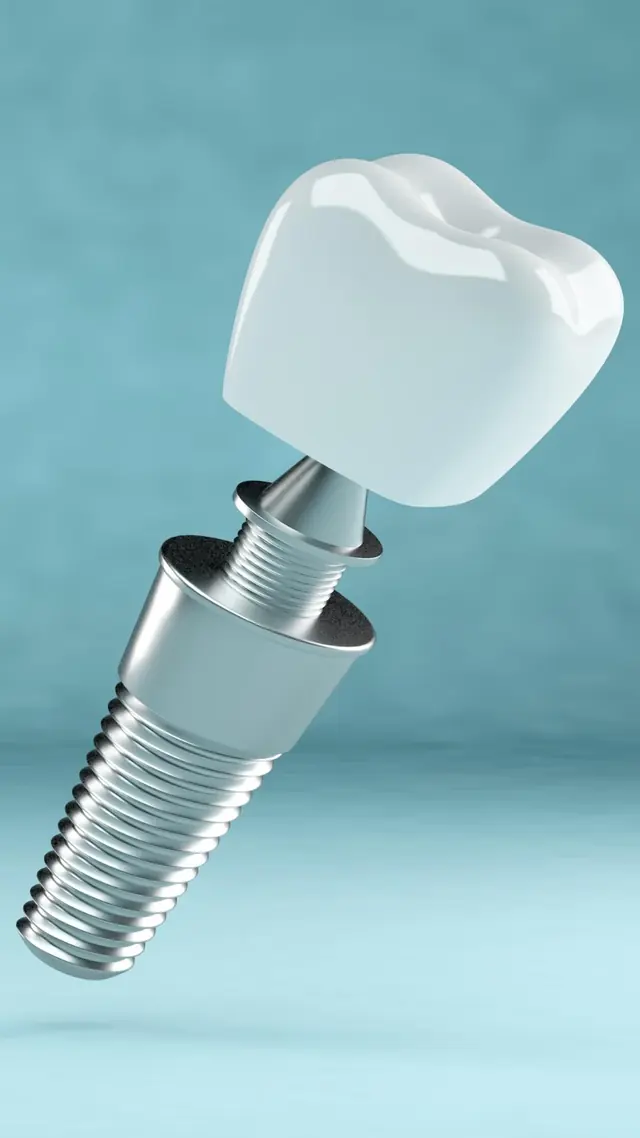
- Bone available for implant placement.
Dose comparison
| Test | Information | Relative radiation |
|---|---|---|
| Digital X-ray | A specific area in 2D | The lowest of the three |
| Panoramic | The whole mouth in one shot | Low |
| 3D CBCT | Bone and teeth in 3D | Higher than a conventional X-ray and, in general, lower than a medical CT scan |
According to the FDA, CBCT should be done only when it provides information that other imaging cannot.
How it works
- Your dentist orders the test you need.
- Comfortable positioning.
- Image taken in a few seconds.
- On-screen review and explanation of the findings.
Frequently asked questions
Can I get just the 3D X-ray?
Ask us. The test must have a clinical indication; if your dentist requested it, bring the order.
Can digital images be shared?
Yes, one advantage of the digital format is being able to store them and compare previous studies with new ones.
For information only. This is general information and does not replace an evaluation. The right treatment depends on your case and is determined by your dentist after examining you. Updated: 2026-11-01.