Short answer
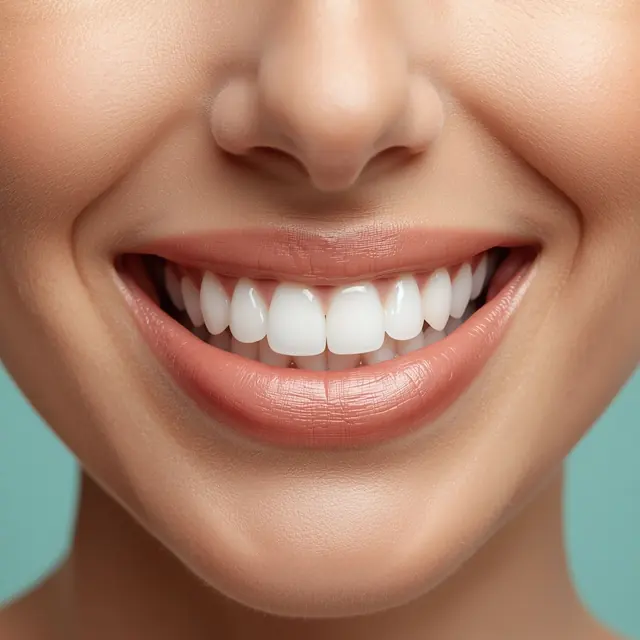
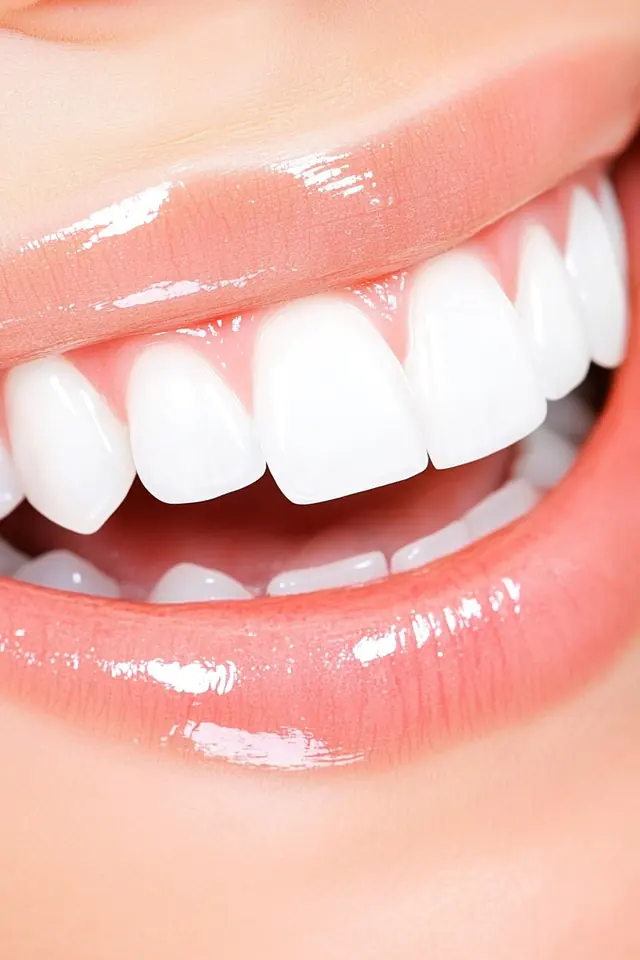
Teeth whitening is a conservative treatment that lightens stains and discoloration on natural teeth using a gel supervised by the dentist. Results are noticeable from the first session. It does not change the color of crowns, veneers or fillings, and it can cause temporary sensitivity.
Before whitening
It’s best to make sure there are no cavities or inflamed gums and to have a professional cleaning. Tartar and surface stains are better removed with a cleaning; whitening works on the color of the tooth.
How to maintain the result
Coffee, tea, wine and tobacco darken teeth over time. Good hygiene and regular cleanings help the result last longer.
How it works
- Exam and cleaning.
- Recording your starting shade.
- Supervised gel application or custom trays provided.
- Follow-up on the result and any sensitivity.
Frequently asked questions
Does whitening damage enamel?
Done under professional supervision, it’s a conservative procedure. The most common effect is temporary sensitivity, and we’ll tell you how to relieve it.
Does it work for everyone?
Not all stains respond the same way. After examining you, we’ll tell you whether it’s a good idea or whether another option would give a better result.
For information only. This is general information and does not replace an evaluation. The right treatment depends on your case and is determined by your dentist after examining you. Updated: 2026-11-01.